


The Importance of Effective LED Lighting in Schools
The Importance of Effective LED Lighting in Schools
Lighting is more than just illumination; it shapes safe, healthy, and effective learning environments. Studies have shown that proper lighting can improve concentration, reduce fatigue, and even boost student performance. As schools modernize, LED lighting has become an essential tool for supporting safety, security, and well-being while improving energy efficiency and reliability.
Safety and Security
Well-designed lighting is a key component of school security. Consistent, high-quality illumination helps limit dark areas that can increase the risk of accidents or unwanted activity. Interior spaces such as hallways, stairwells, and common areas benefit from evenly distributed light that improves visibility for both students and staff.
Exterior and perimeter lighting are equally important. Well-lit entrances, walkways, parking areas, and playgrounds enhance visibility and reduce the risk of incidents. For instance, a report from the National Crime Prevention Council found that schools with adequate outdoor lighting experienced significantly fewer incidents of vandalism and trespassing. Wall-mounted luminaires and area lights clearly define school boundaries and discourage unauthorized access.
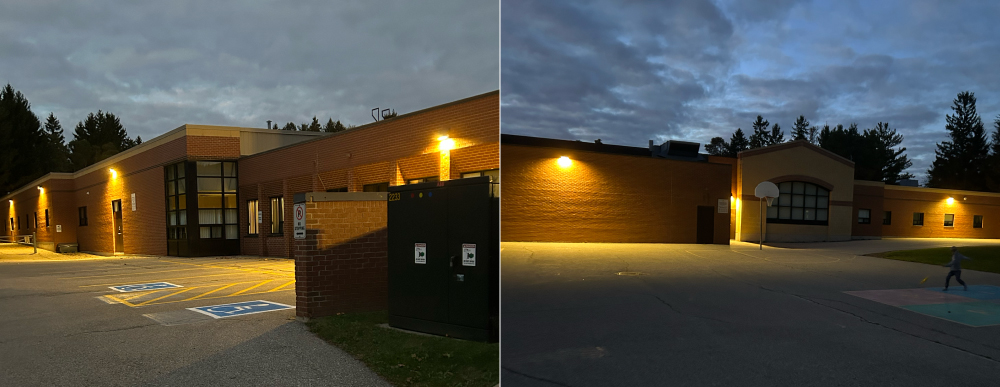
Emergency Lighting: Preparedness When It Matters Most
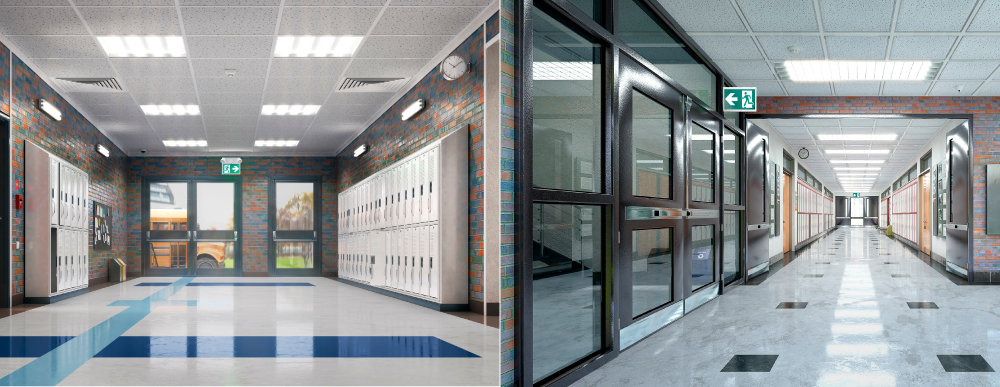
In emergency situations, such as power outages, evacuations, or fire alarms, reliable lighting is essential. Emergency lighting ensures that exit routes remain visible and that occupants can move safely and quickly when normal lighting conditions are compromised.
Self-powered emergency fixtures and exit signage are designed to activate instantly during power loss, providing clear guidance in critical moments. In educational facilities, where large numbers of occupants may need to evacuate simultaneously, dependable emergency illumination is a fundamental safety requirement.
To learn more about our Emergency Lighting solutions, click here!
Classroom LED Lighting for Learning, Health, and Well-Being
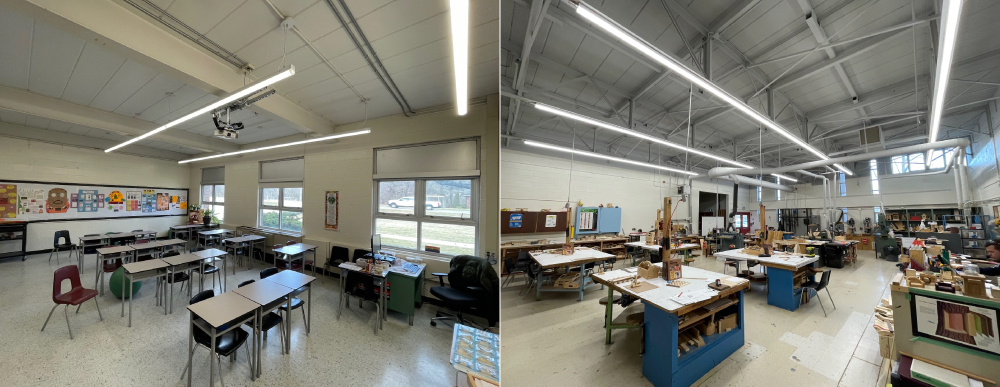
Lighting has a direct influence on concentration, comfort, and overall well-being of staff and students. Classrooms and learning spaces require even, glare-free illumination that reduces eye strain and supports focus during long periods of study.
LED panels and strips are a popular choice for educational facilities, thanks to their light output and affordability. Adjustable colour temperatures help create a balanced environment, while consistent lighting reduces visual fatigue for both students and educators. Real-world examples from several Canadian school boards demonstrate that upgraded LED classrooms resulted in higher engagement levels and improved attention spans.
To learn more about our Strip Lighting solutions, click here!
Visibility in Large Activity Spaces
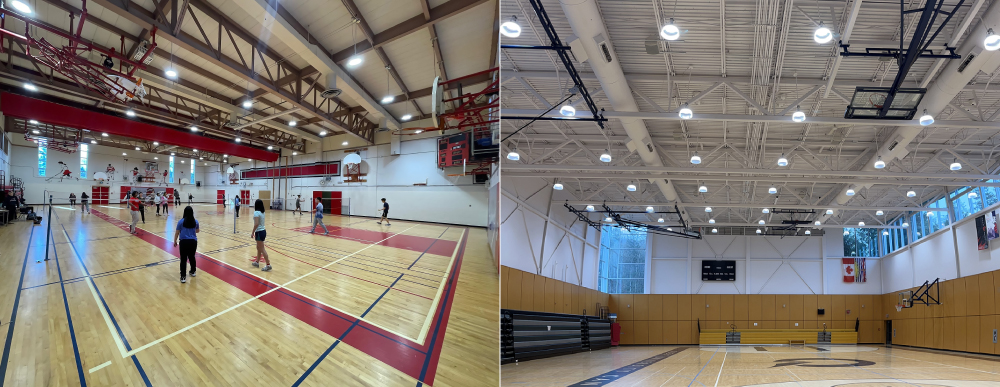
Gymnasiums and multipurpose areas present unique challenges due to high ceilings and open layouts. Bright, even illumination is essential for safety during sports, assemblies, and events. Proper lighting reduces glare on the floor and walls, preventing accidents.
High-output LED fixtures provide reliable, energy-efficient lighting for these spaces. Schools with upgraded high bay lighting report fewer incidents during indoor sports and improved spectator experience.
Utility and Common Areas
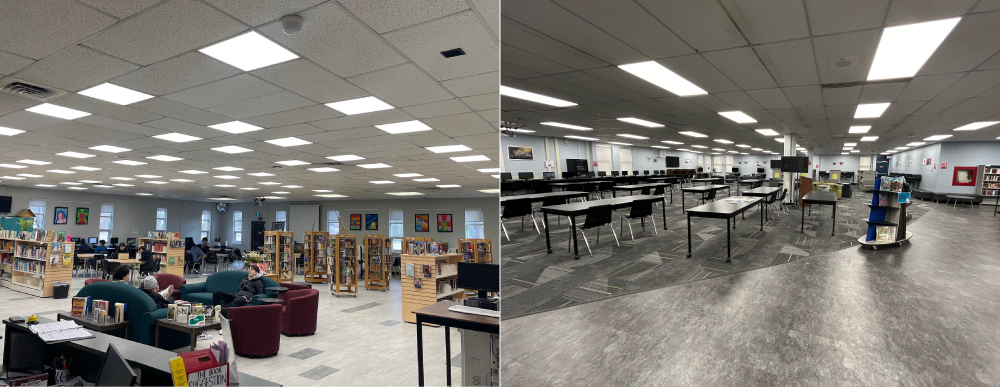
Libraries, cafeterias, hallways, and other shared high-traffic spaces require consistent lighting for safe movement and daily operations. Panel and strip-style LED luminaires provide even illumination, long lifespan, and low maintenance, helping schools reduce energy costs and minimize maintenance needs over time.
A Smarter Approach to School Lighting
Investing in quality LED lighting enhances safety, supports student health, and improves visibility throughout schools. From classrooms and gymnasiums to emergency routes and exterior perimeters, thoughtful lighting design safeguards students and staff while enhancing operations.
As schools focus on sustainability and performance, modern LED lighting offers a reliable foundation for meeting today’s educational requirements and preparing for future challenges.


